Should You Install a French Drain at Your Home? Here's the Information You Need
Evaluating whether a French drain system is right for a home requires careful consideration of specific drainage issues. Homeowners may encounter concerns like water accumulation or moisture in basements, which can lead to more serious problems. Understanding the pros and limitations of a French drain is crucial. This decision could significantly affect the property's durability and safety. What factors should be examined before installing such a solution?
Facing Water Accumulation?
Water buildup can cause major difficulties for homeowners, often causing structural damage and mold growth. Surplus moisture around a home can result from heavy rainfall, inadequate drainage, or inadequate landscaping. When water pools near the foundation, it can compromise structural integrity and promote dangerous mold development.
Property owners may observe symptoms such as wet basements, water stains, or musty odors, indicating the necessity for urgent action. If left untreated, these issues can deteriorate, causing expensive repairs and health hazards.
To effectively manage water accumulation, it is crucial to evaluate drainage systems and landscape grading. Installing appropriate solutions can minimize risks, ensuring a safe and dry living environment. Hiring professionals for evaluation and remediation is advisable, as they possess the expertise to recommend suitable strategies tailored to specific conditions. Timely action can substantially increase the longevity and safety of a home.
Why Select a French Drain?
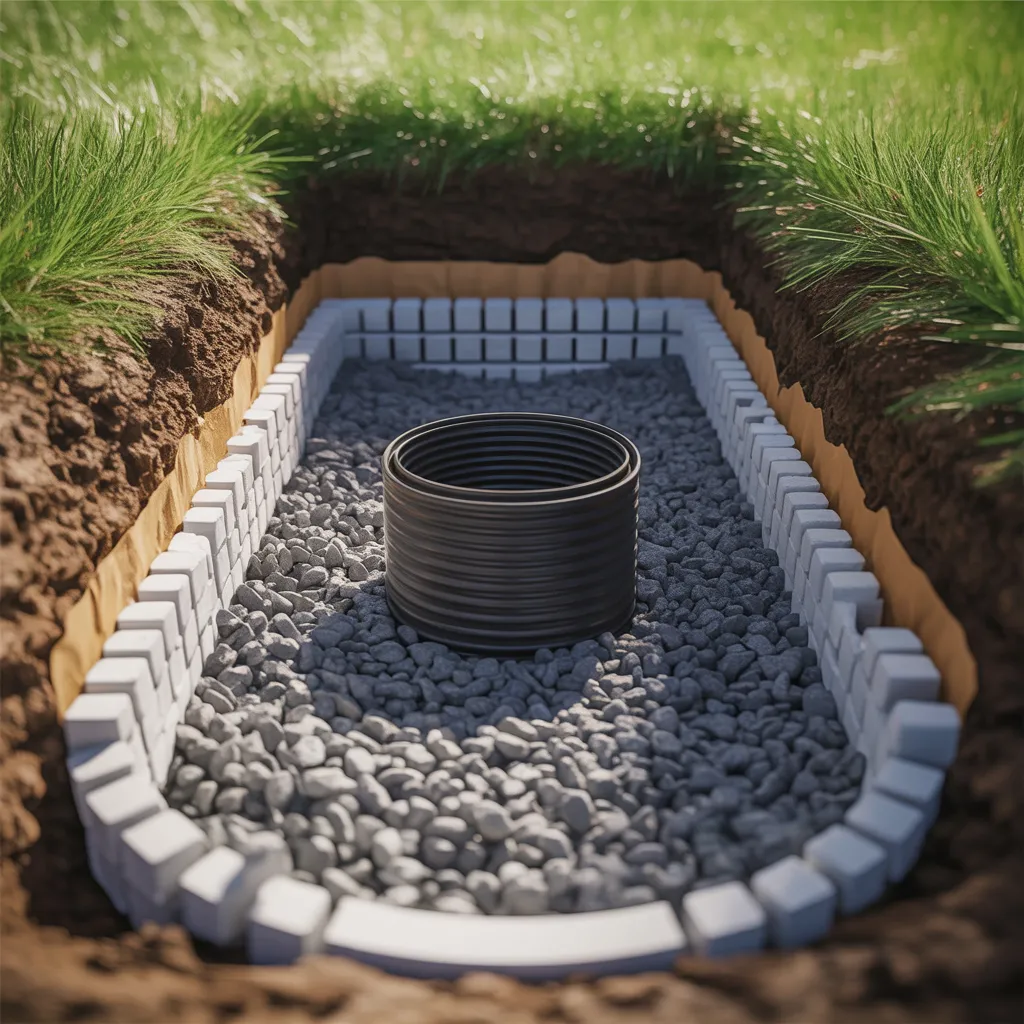
Homeowners facing persistent water accumulation often seek effective solutions to protect their properties. A French drain is a popular choice due to its efficiency in redirecting water away from foundations and landscaped areas. This configuration features a channel loaded with rock or gravel material, incorporating a drilled tube that captures and routes overflow water.
A notable benefit of selecting a French drain is its capacity to avoid water damage, which can result in substantial repairs. Moreover, it lessens soil erosion and safeguards nearby landscaping, enhancing property value.
Furthermore, French drains are multi-purpose and can be set up in various locations, including basements, yards, or alongside driveways. They require comparatively low maintenance versus other drainage systems, making them a practical long-term solution. For homeowners wanting to maintain a moisture-free, healthy environment, the merits of a French drain make it a compelling option.
How Do French Drains Actually Operate?
How does a French drain effectively manage excess water? French drains consist of a trench packed with gravel or rock, housing a perforated pipe at its base. This configuration uses gravitational forces to direct both surface and groundwater into the pipe. Once water accumulates near the foundation or in the yard, it flows into the gravel and travels through the perforations into the pipe.
The water gets channeled away from the property to a designated drainage area, such as a storm sewer or dry well. This system stops water from pooling and lessens the risk of water intrusion or flooding. Appropriate installation is crucial; the drain must be sloped adequately to guarantee efficient water flow. In addition, maintaining the system by removing debris from the pipe and surrounding gravel is essential for optimal performance. Ultimately, French drains present a effective solution for effective water management around residential homes.
Possible Disadvantages of French Drains
Although French drains are commonly acknowledged for their efficacy in managing water, several potential drawbacks warrant consideration. One key concern is the installation cost, which can be considerable due to workforce and material expenses. Homeowners may also encounter continuous maintenance problems; debris and sediment can obstruct the system, demanding regular inspections and cleaning procedures. Furthermore, if improperly installed, a French drain can worsen drainage problems by redirecting water to undesired areas, potentially impacting neighboring properties.
Moreover, the setup's reliance on gravity indicates that its performance can reduce in flatter terrains. In cooler climates, freezing temperatures can lead to ice blockages, additionally complicating drainage concerns. In the end, while they can minimize water problems, French drains do not resolve the underlying sources of excess water, potentially leading to future issues if background information not handled holistically. Understanding these limitations is essential for homeowners considering this drainage solution.
How Do You Know If You Need a French Drain?
Identifying the need for a French drain typically arises from persistent water problems around a property. Homeowners should first evaluate whether they experience water accumulation in basements, crawl spaces, or around the foundation during heavy rainfall. Signs of water intrusion, such as mold growth, musty odors, or damp walls, are further indicators that a drainage solution may be necessary.
Moreover, a property's landscape serves a crucial function; homes positioned in low-lying areas or those with substandard grading may be more prone to water accumulation. Inspecting gutters and downspouts for clogs or inadequate drainage is also essential, as inadequate systems can exacerbate water concerns.
Speaking with a drainage specialist can give valuable insights into the necessity of a French drain. Eventually, spotting these signs early can avoid more severe water damage and costly repairs in the future, guaranteeing the longevity and integrity of the home.
Questions & Answers
What's the Average Price for Installing a French Drain?
French drain installation typically costs between $1,500 to $5,000, determined by factors including property size, soil conditions, and regional labor pricing.
Is It Possible to Install a French Drain Myself?
Yes, a French drain can be installed by a homeowner who has proper tools and guidance. However, the process requires thorough planning, awareness of local codes, and physical labor to guarantee effective water management and drainage.
How Long Does a French Drain Last?
A French drain generally lasts between 30 to 40 years, based on installation quality and maintenance. Regular checks for clogs and proper drainage can greatly extend its life expectancy, ensuring efficient water management over time.
Is Maintenance Required for a French Drain?
Yes, maintaining a French drain is necessary, including regular inspections for clogs, cleaning the gravel to maintain proper drainage, and checking for any signs of deterioration. This maintains its effectiveness over time and prevents potential water issues.
Will a French Drain Impact My Landscaping?
A French drain can impact landscaping by changing water flow, potentially requiring adjustments to soil and plants. Adequate planning and correct installation will reduce negative effects, guaranteeing that landscaping remains healthy and visually appealing.